
Rooted in Ecuador: How Fair Trade Florals Blossom into Stronger Communities
- Nov 26, 2025
- 4 min read
High in the Andes Mountains, where altitude meets ambition, Ecuador's flower farms stretch across volcanic soil that's been "blessed" by Mother Nature herself. This South American powerhouse doesn't just grow flowers: it cultivates hope, equity, and economic opportunity through partnerships that put people first.
Florida Fresh Events sources premium florals from fair trade certified farms across Ecuador's highland regions, where roses bloom at 9,000 feet above sea level and social responsibility isn't just a "buzzword": it's a business model that works.
Social Progress: Where Petals Meet Purpose
Ecuador's fair trade flower industry operates on a simple principle: when workers thrive, communities flourish. The numbers don't lie. Fair trade certified farms provide equal wages, comprehensive benefits, and working conditions that would make corporate America "take notes."
Women workers: historically the backbone of Ecuador's flower industry: now enjoy maternity leave, healthcare coverage, and childcare services that transform employment from survival into empowerment. Farms like Hoja Verde in Cayambe offer free eye exams, pediatric assistance, and educational support that extends beyond the greenhouse walls.
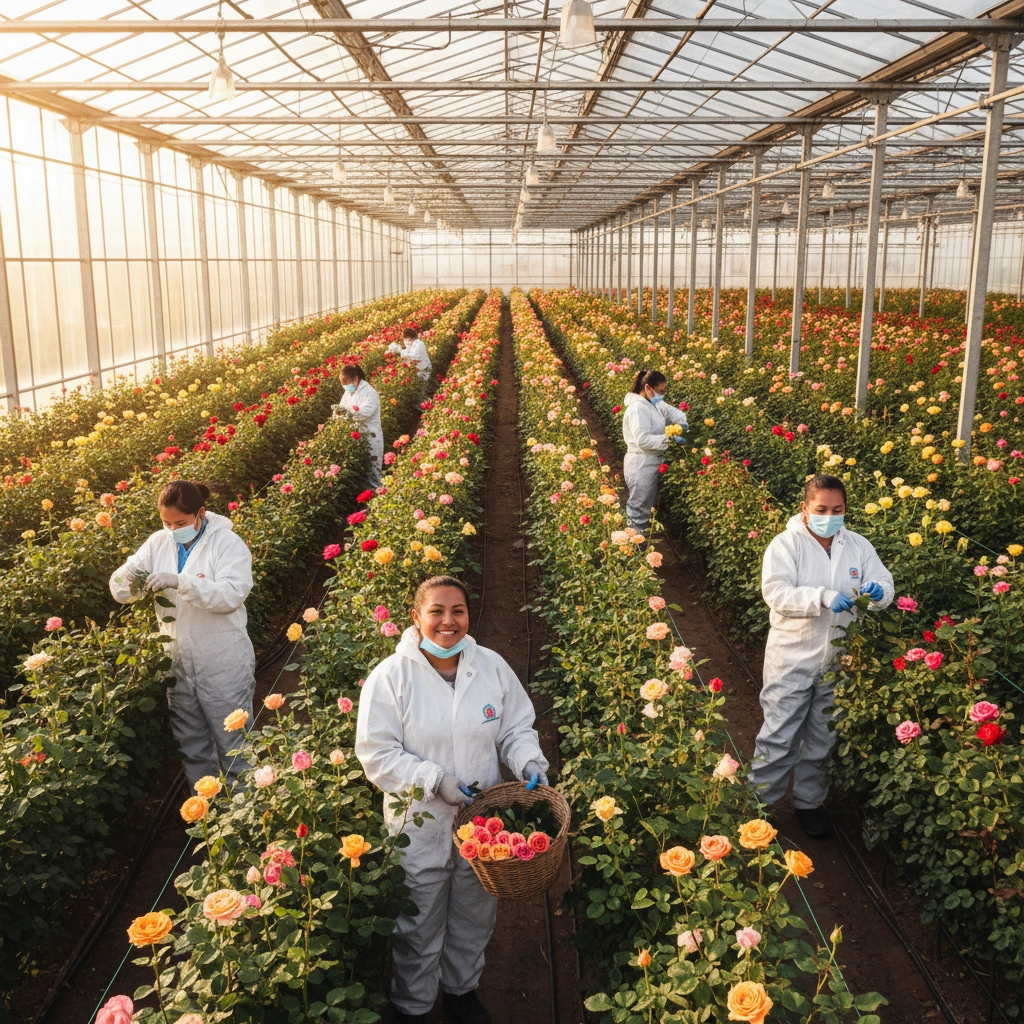
The ripple effect reaches deep into rural communities. Fair trade premiums fund everything from school construction to clean water initiatives. Workers use these programs to purchase land, build homes, and create generational wealth that breaks poverty cycles.
Gender equity isn't just policy: it's practice. Women hold leadership positions, participate in decision-making committees, and receive equal compensation for equal work. The "glass ceiling" gets shattered one stem at a time.
Indigenous communities benefit through targeted programs that respect cultural heritage while providing economic opportunity. The Santiago Partnership's Forever Flowers initiative specifically empowers indigenous groups in rural Ecuador, creating sustainable livelihoods that honor traditional values.
Environmental Responsibility: Blooming Without Compromise
Ecuador's flower farms operate under strict environmental protocols that make "going green" more than marketing speak. Rainforest Alliance certification ensures farms protect local ecosystems while producing world-class blooms.
Water management systems capture and recycle irrigation runoff. Integrated pest management reduces chemical inputs by up to 70%. Solar panels power processing facilities. Composting programs turn organic waste into soil amendments.
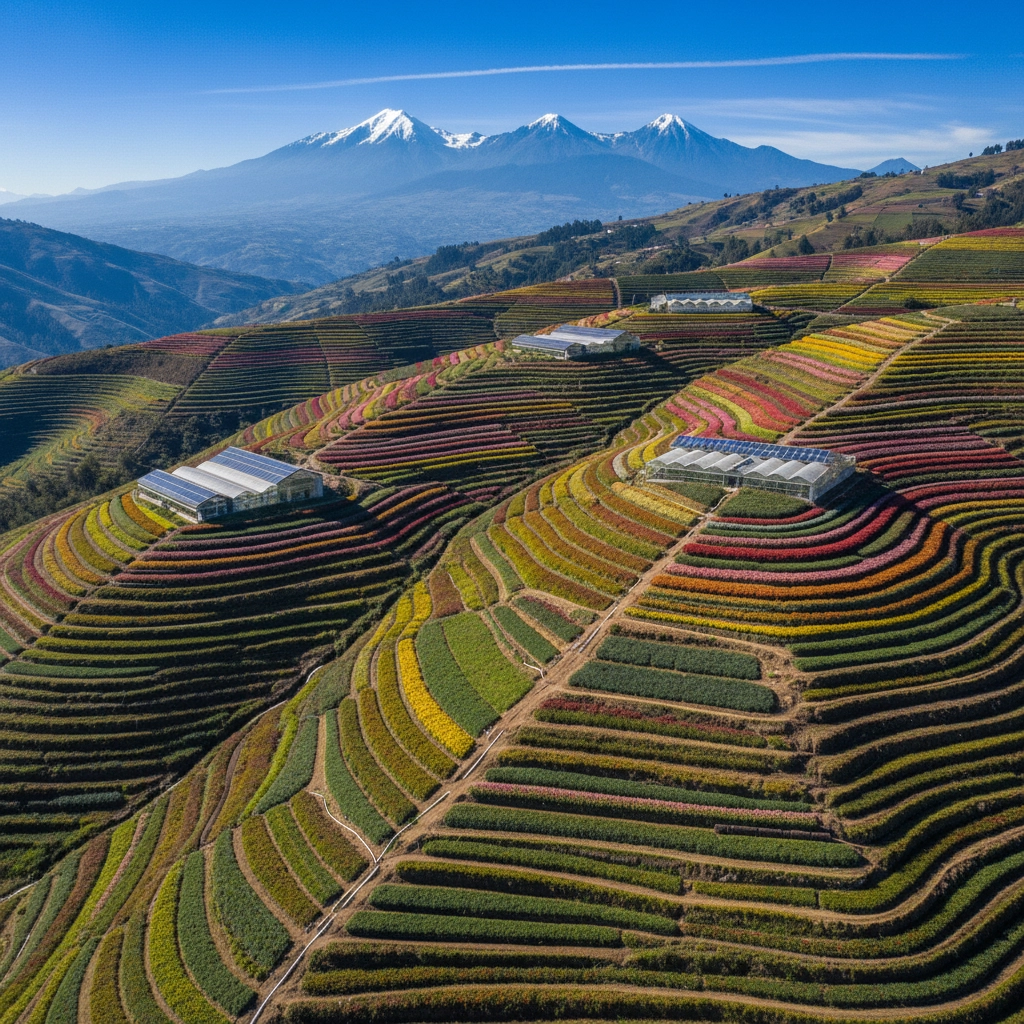
The altitude advantage works in sustainability's favor. Cool mountain temperatures reduce energy needs for climate control. Natural drainage systems minimize water waste. Biodiversity corridors protect native species while supporting agricultural productivity.
Carbon footprint reduction happens at every level. Efficient shipping consolidates flower exports. Renewable energy powers farm operations. Regenerative soil practices sequester carbon while improving crop yields.
These aren't "nice-to-have" initiatives: they're essential business practices that ensure long-term viability in an increasingly environmentally conscious market.
Economic Longevity: Building Something That Lasts
Fair trade certification creates economic stability that benefits everyone involved. Premium pricing for certified flowers generates consistent revenue streams. Long-term contracts provide predictable income for farming communities. Investment in infrastructure creates lasting value.
The business model works because it aligns profit with purpose. Fair trade premiums: typically 10-15% above market rates: fund community development projects that strengthen the workforce and improve regional infrastructure.
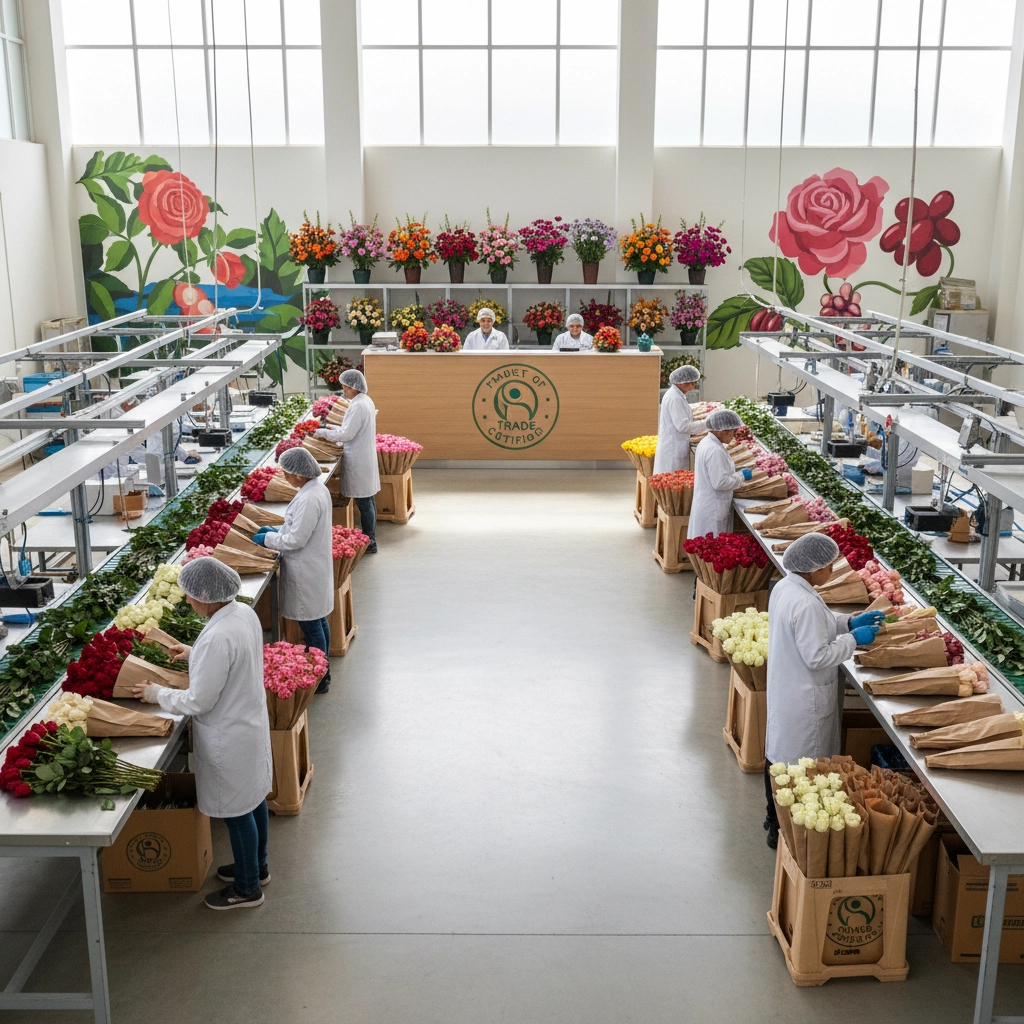
Ecuador Direct Roses exemplifies this approach. Operating for over thirty years, the farm allocates proceeds to support indigenous Amazonian communities through the Nantuk Organization. Recent initiatives include Starlink internet installation for emergency communication and educational reinforcement in remote areas.
Export diversification reduces market risk. Ecuador supplies roughly half of the 9.5 million fair trade-certified flowers sold annually in the United States. European markets provide additional revenue streams. Premium positioning commands higher margins than commodity flower production.
Partnership Programs That Deliver Results
Florida Fresh Events' fair trade partnerships extend beyond flower procurement into community investment and social impact measurement. FlorEcuador certification ensures safety, sustainability, and labor compliance across partner farms.
The volunteer deployment model creates direct connections between business operations and community needs. Farm staff participate in outreach programs, building empathy and sustained commitment to social responsibility.
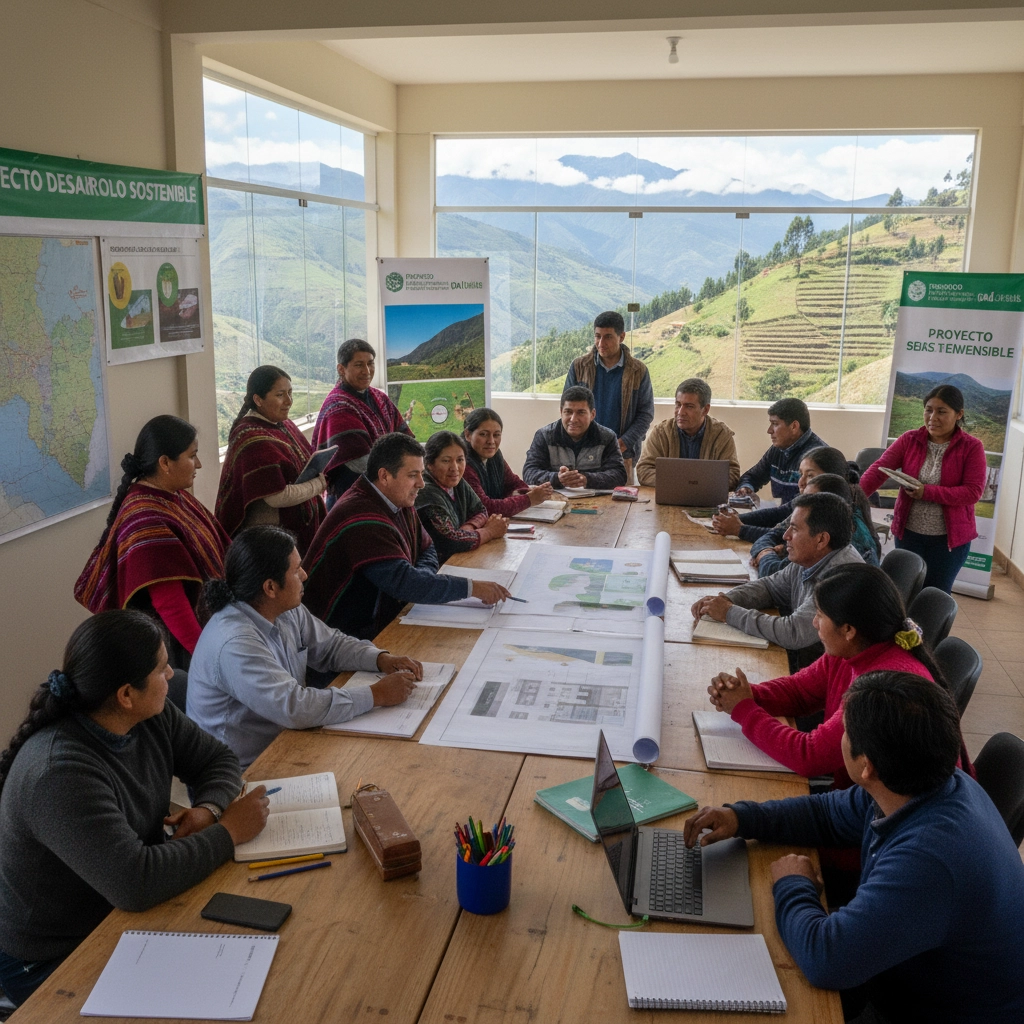
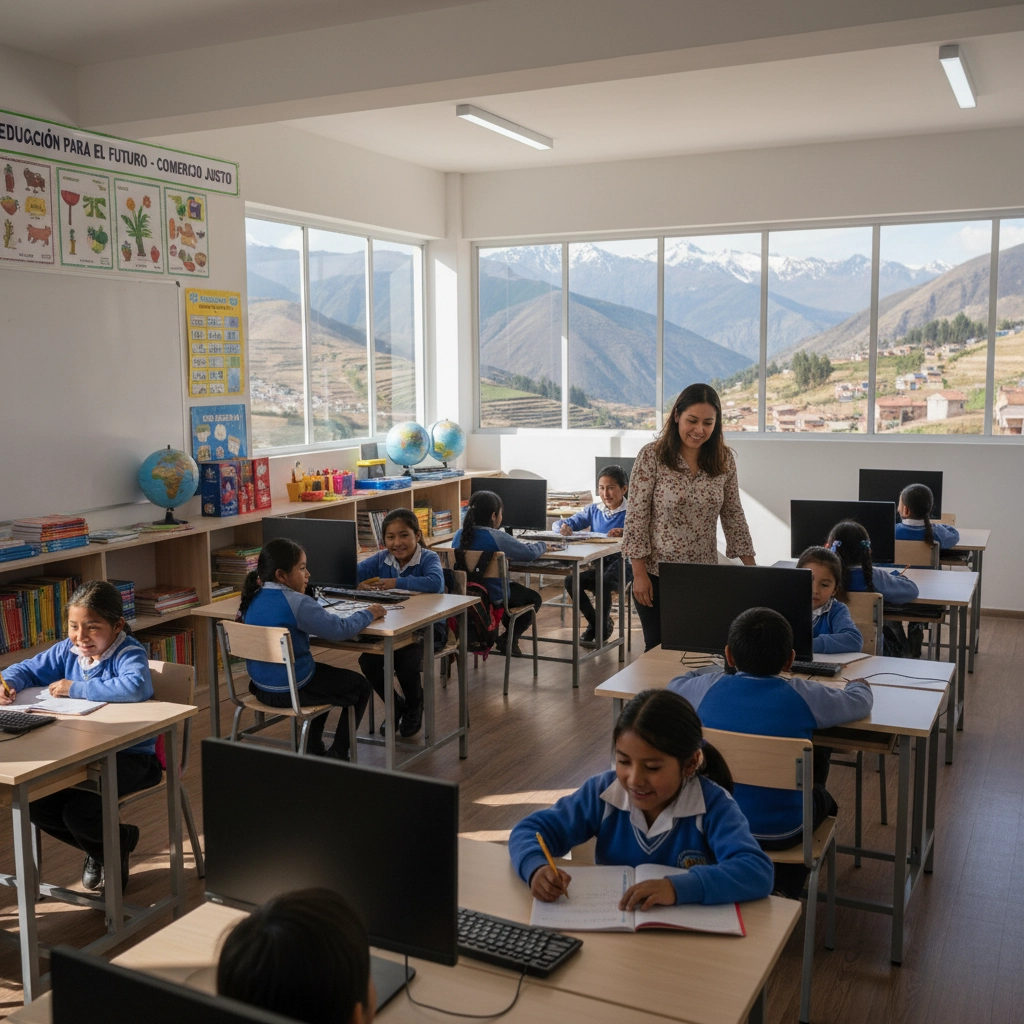
Educational initiatives target multiple levels. Children receive school supplies and nutrition support. Adults access vocational training and microfinance opportunities. Communities gain infrastructure improvements and healthcare access.
Technology integration bridges geographic gaps. Internet connectivity enables distance learning and emergency communication in remote regions. Digital platforms facilitate direct communication between farms and international partners.
Measurable Impact: Numbers That Matter
The statistics tell a compelling story. Women workers on certified farms report 85% satisfaction with working conditions. Community development projects reach over 50,000 people annually. Educational programs serve 15,000 children across rural regions.
Healthcare access improves dramatically on certified farms. Free medical screenings detect preventable conditions early. Occupational safety programs reduce workplace injuries by 60%. Mental health support addresses isolation and stress in agricultural communities.
Economic indicators show sustained progress. Average wages on fair trade farms exceed regional standards by 30-40%. Home ownership rates among workers increase by 25% within five years of employment. Educational attainment rises as families invest premium earnings in children's schooling.
Environmental metrics demonstrate real conservation impact. Water usage drops 20% through efficiency measures. Pesticide applications decrease 45% under integrated management protocols. Biodiversity indices improve on farms with habitat corridors.
The Florida Fresh Events Commitment
Sourcing fair trade florals aligns perfectly with Florida Fresh Events' three core pillars. Environmental responsibility drives partnerships with certified sustainable farms. Social progress supports gender equity and community empowerment. Economic longevity ensures these relationships create lasting value for all stakeholders.
Event clients receive premium flowers with meaningful backstories. Corporate events showcase sustainability credentials through ethical sourcing. Wedding celebrations gain deeper significance knowing florals support community development in Ecuador's highlands.
The partnership model proves that luxury and responsibility aren't mutually exclusive. Premium quality flowers fund social programs that transform lives across continents. Beauty becomes a vehicle for positive change.
Community dividends, not fine print. Fair trade programs in Ecuador channel premiums into schools, clean water, and safe housing; fund on-site childcare and healthcare; and open leadership pathways so women move from "bench work" to decision-making seats. Indigenous families see income stability without sacrificing heritage. Real, local wins.
A clean tie to Florida Fresh Events' three pillars: Environmental Responsibility - farms shifting to integrated pest management, water recapture, and habitat corridors that keep ecosystems intact. Social Progress - gender equity baked into wages, benefits, and committee seats; training and childcare that turn jobs into careers. Economic Longevity - predictable contracts and premium pricing that build generational wealth and keep communities thriving season after season.